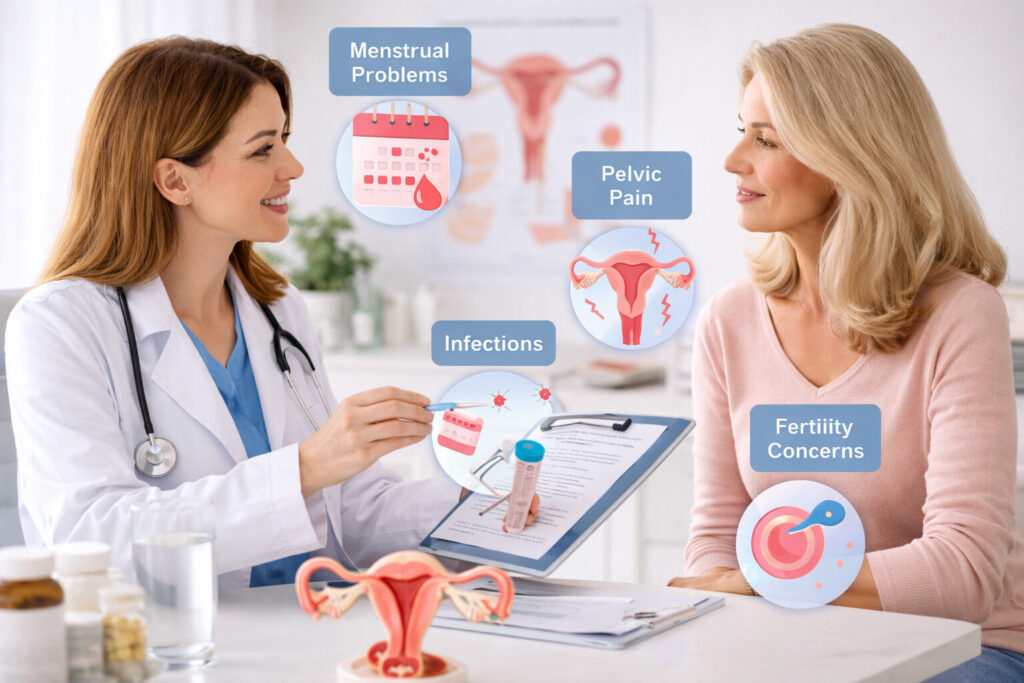
Your gynecologist is your go-to professional for women’s health issues, from routine checkups to addressing specific concerns. Whether you’re dealing with irregular periods, pelvic pain, or infections, discussing these problems with your doctor is vital for maintaining overall well-being. In Sharjah, Dr. Sabah is dedicated to providing expert care, ensuring that your health concerns are addressed comprehensively.
Common Women’s Health Issues You Should Discuss with Your Gynecologist
-
Menstrual Problems
Menstrual issues like irregular periods, heavy bleeding, or painful cramps are common concerns. These can often be linked to underlying conditions like polycystic ovary syndrome (PCOS), fibroids, or endometriosis. Your gynecologist can offer treatments, from medications to lifestyle changes, to help manage these problems.-
Symptoms to discuss:
-
Heavy or irregular bleeding
-
Painful periods (dysmenorrhea)
-
Spotting between periods
-
-
-
Pelvic Pain
Persistent pelvic pain is often a symptom of several conditions, including endometriosis, fibroids, ovarian cysts, or pelvic inflammatory disease (PID). It can affect your quality of life, and a gynecologist is the right professional to help pinpoint the cause and recommend treatment options.-
Symptoms to discuss:
-
Chronic or severe pelvic pain
-
Pain during sex
-
Lower abdominal discomfort
-
-
-
Infections
Vaginal infections, urinary tract infections (UTIs), and sexually transmitted infections (STIs) are common health concerns for women. Early detection and treatment are essential to prevent complications like infertility or recurring infections.-
Symptoms to discuss:
-
Itching or discomfort
-
Unusual vaginal discharge or odor
-
Pain or burning during urination
-
-
-
Contraceptive Options
Discussing contraceptive options with your gynecologist ensures that you choose a method that works for your lifestyle and health needs. From birth control pills to long-term solutions like IUDs or implants, your doctor can help you make an informed decision.-
Common methods:
-
Birth control pills
-
IUDs (intrauterine devices)
-
Implants or injections
-
-
-
Fertility Concerns
If you are planning to conceive, or if you’ve been struggling with infertility, a gynecologist can help assess your reproductive health. Conditions like PCOS and blocked fallopian tubes can affect fertility, and treatments like intrauterine insemination (IUI) or IVF may be options for you.-
Symptoms to discuss:
-
Difficulty getting pregnant
-
Irregular cycles or no ovulation
-
-
-
Menopause Symptoms
Women approaching menopause may experience symptoms such as hot flashes, night sweats, and mood swings. Discussing these symptoms with your gynecologist can help you manage them effectively, through options like hormone replacement therapy (HRT) or natural treatments.-
Symptoms to discuss:
-
Hot flashes
-
Sleep disturbances
-
Vaginal dryness
-
-
What to Expect During a Gynecology Consultation
A visit to Dr. Sabah’s clinic in Sharjah is a comprehensive experience. Here’s what you can expect during your gynecology consultation:
-
Medical History Review: Your doctor will ask about your menstrual history, any current symptoms, and your overall health.
-
Physical Examination: A routine pelvic exam, breast exam, or internal checkup may be performed based on the issues discussed.
-
Tests and Screenings: Depending on your concerns, tests like a Pap smear, ultrasound, or blood tests may be recommended for further evaluation.
-
Personalized Advice: Based on your symptoms and diagnosis, your gynecologist will provide tailored treatment options to manage or resolve your concerns.
Conclusion
Don’t hesitate to discuss any health concerns with your gynecologist. Dr. Sabah offers comprehensive care for all aspects of women’s health in Sharjah. Whether you’re dealing with menstrual problems, pelvic pain, or fertility concerns, regular consultations ensure that you receive the best care and treatment for a healthier life.