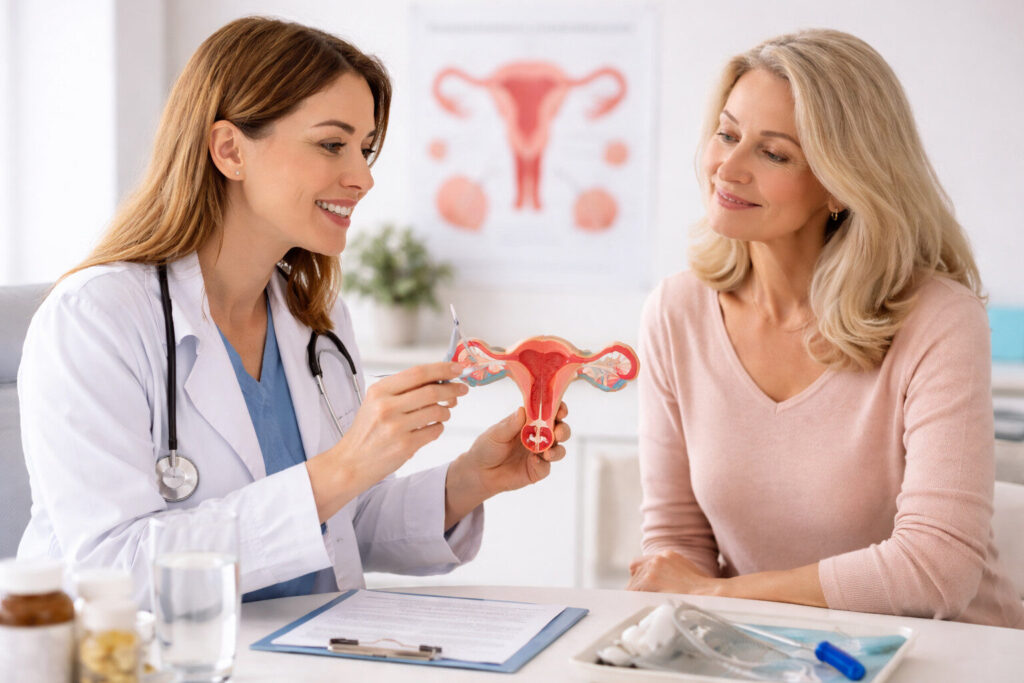
Hysteroscopy in Sharjah: Diagnose Gynecological Issues with Dr. Sabah
Hysteroscopy is a critical diagnostic procedure used to identify various gynecological conditions. In Sharjah, this minimally invasive technique allows for direct visualization of the uterus, helping identify issues like fibroids, abnormal bleeding, and infertility. The procedure is performed under expert care, ensuring patients receive accurate diagnoses and effective treatment options.
What Is Hysteroscopy?
Hysteroscopy involves inserting a thin, lighted tube known as a hysteroscope into the uterus through the cervix. This allows the doctor to view the uterine cavity in real-time. In hysteroscopy gynecology, it is used to examine conditions such as fibroids, polyps, and adhesions. The procedure is performed with either local or general anesthesia, depending on the complexity of the case, and usually lasts between 20 to 30 minutes.
When Is Hysteroscopy Needed?
Hysteroscopy is often recommended when other diagnostic methods, such as ultrasounds, cannot provide a clear picture of uterine conditions. It’s particularly useful for:
-
Fibroids: Non-cancerous growths in the uterus that can cause pain, heavy bleeding, or infertility.
-
Abnormal Bleeding: Persistent irregular bleeding or heavy menstrual flow that cannot be explained by other means.
-
Infertility: To evaluate any uterine issues contributing to difficulty in conceiving.
-
Polyps and Adhesions: Uterine growths or scarring that can affect fertility and cause bleeding or pain.
Benefits of Hysteroscopy
One of the major advantages of hysteroscopy is its minimally invasive nature. Unlike traditional surgery, it doesn’t require large incisions, which significantly reduces the risk of complications. Additionally, the procedure offers:
-
Quick Recovery: Most women experience mild cramping and can return to normal activities within a few days.
-
Dual Diagnostic and Treatment: Hysteroscopy not only helps diagnose uterine conditions but can also treat them in the same session. For example, fibroids, polyps, and adhesions can often be removed during the procedure.
-
Faster Results: Because the procedure provides a direct view of the uterine cavity, it offers a quicker and more accurate diagnosis compared to other methods.
What to Expect at the Clinic
When you schedule a hysteroscopy at Dr. Sabah’s clinic, you can expect:
-
Comprehensive Consultation: Before the procedure, your medical history will be reviewed, and a personalized plan will be discussed to ensure the best possible care.
-
The Procedure: Performed in a comfortable setting, hysteroscopy typically takes less than 30 minutes. Depending on the case, either local or general anesthesia will be used to ensure comfort.
-
Post-Procedure Care: Mild cramping or spotting is common after the procedure. Patients are given instructions on recovery and are typically able to resume normal activities within a few days.
-
Follow-Up: A follow-up appointment is usually scheduled to discuss the results and next steps if additional treatments are necessary.
Conclusion
Hysteroscopy is a valuable diagnostic and treatment tool for a variety of uterine conditions. With its minimally invasive nature, it offers quicker recovery times, fewer complications, and the ability to treat issues in the same procedure. If you’re experiencing abnormal bleeding, infertility, or other uterine concerns, hysteroscopy could be the solution you need.
If you have any questions or would like to schedule a consultation, contact the clinic today to learn more about this procedure and how it can benefit your health.